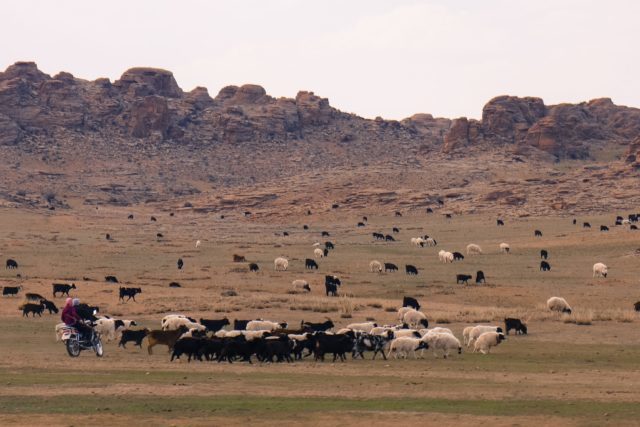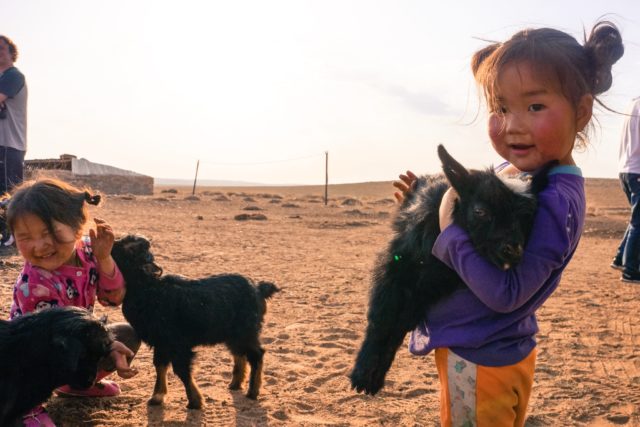
モンゴル:憧れの「ゴビ砂漠」を旅する1週間(1日目)

5月のモンゴルは観光シーズにはまだちょっと早い。春は始まったばかりで気候や天候は安定しないし、事実私の滞在中20度を超える日もあれば、吹雪になった日もあった。でも、ゴビ砂漠を探検するには十分で、それゆえ2017年5月私はそこを目指すこととなる。ちなみにモンゴルでは春の天候があまりにもころころと変わることから、まるで女性の心のようだと揶揄されるほどである。(かわいらしい笑顔と雷神が降臨してきたかのような激怒がそれ・・・といったところか。)

モンゴルへの渡航をあまりに急に決めたことから、下準備がほとんどできていない状態だった。私がモンゴルについて知っていることといえば、チンギスハンと元寇、それにゴビ砂漠といったところだろうか。あとは朝青龍や白鵬などの相撲力士勢か。何れにせよ情報不足なことは否めなかった。運よく友人が過去観光で訪れていたり、ビジネスで訪問しており、彼らが最も推薦するゴビ砂漠を躊躇なく目指すこととした。ツアーオペレータには老舗の Khongor Expedition を選び、ウランバートル到着とともに5泊6日のゴビツアーへ申し込むこととなる。
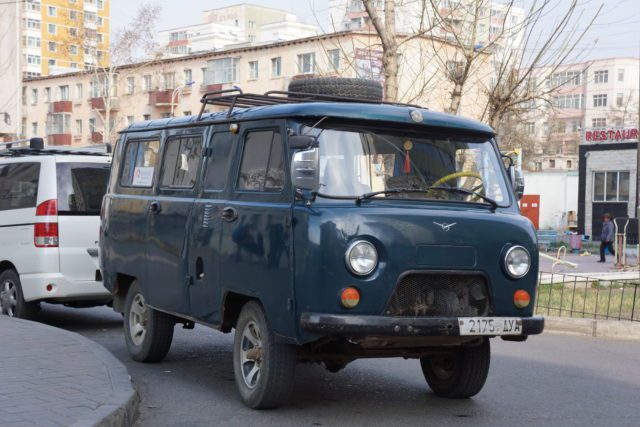


2017年4月30日/ 晴れ


朝9時われわれは最初の宿泊地となる Baga Gazariin Chuluu を目指しウランバートルを出発した。Baga Gazariin Chuluuはゴビ・アルタイ県に位置し、首都からの距離はおおよそ250キロメートルである。この土地は、ゴビ砂漠内というよりもウランバートルの郊外らしい位置づけにあった。砂漠は首都から600キロメートルも離れていて、1日で到達するにはあまりにも無理があり、それゆえに今日は中継点となるBaga Gazariin Chuluuで過ごすというわけである。

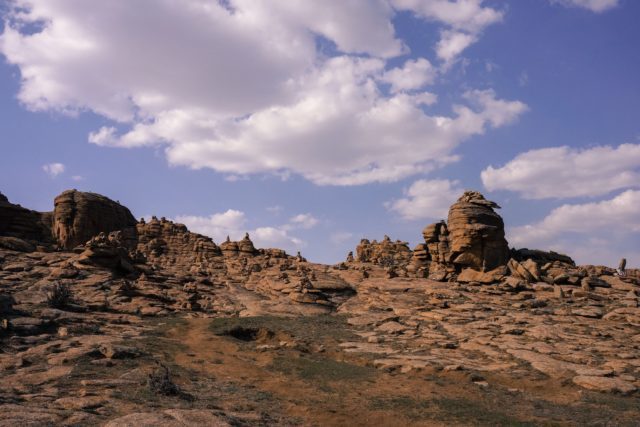
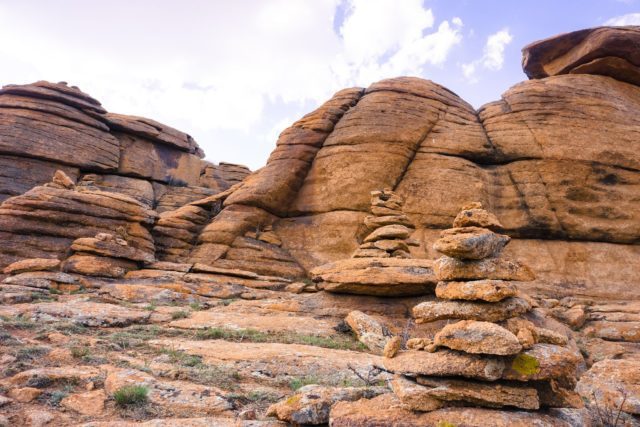
Baga Gazariin Chuluu自体はゴビ砂漠の一部ではないものの、観光者が明確に区別できるかといわれればもちろん出来ない。というのも、ゴビ砂漠自体は砂山のみで形成されたものではなく、むき出しの岩や草の生えた土地もその大切な表情だからである。 そして今私たちの目の前には、花崗石でできたオレンジの岩山が立ちはだかっている。このあたりの岩層は凹凸もなくつるんとしているが、これは長年にわたる侵食により磨かれた結果なのである。Baga Gazariin Chuluu は小さな岩層を意味しているが、ここは単にユニークな岩があるだけでなく、神聖な場所として地元民からあがめられている。
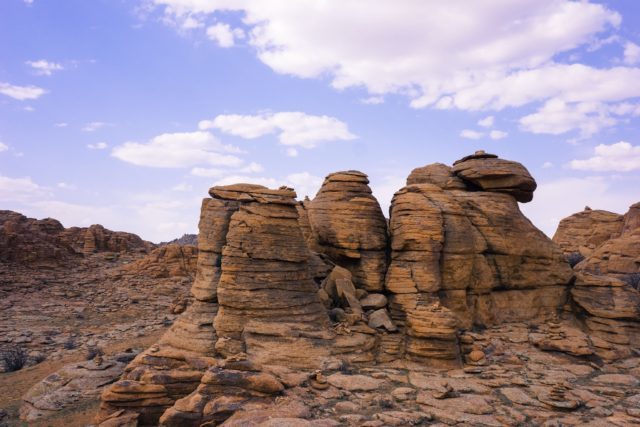
 

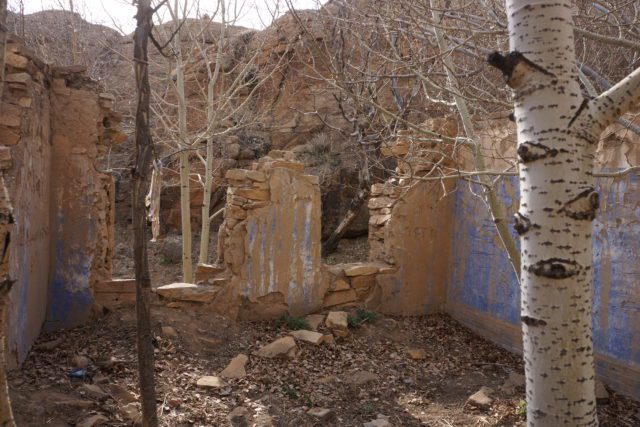
1970年代以来幾人かの僧侶がこの土地に住み着き、瞑想したり壁画を残したとされている。廃墟となった僧院があるとともに、この土地では64もの墓石と塚が見つかっている。


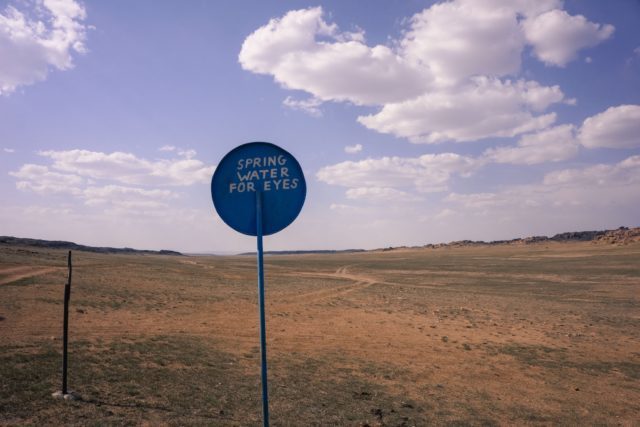
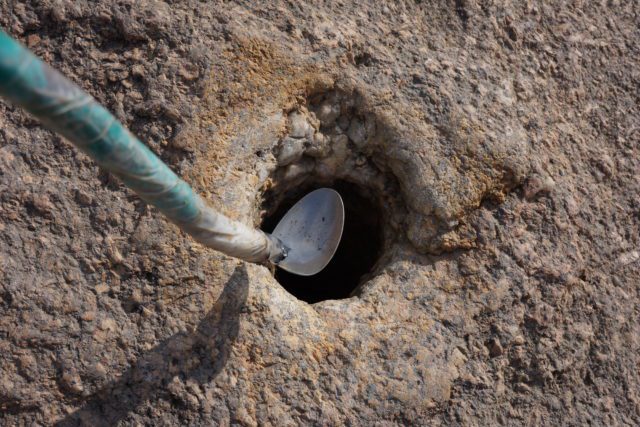
次にわれわれは目によいとされる泉(Nudnii Rashaan)と仏教寺院(Tsorge Lamin Khiid)に向かうこととなる, 残念ながら泉の水は枯れ聖水を得ることは出来なかったが、十分この土地を楽しむことが出来た。なお、ここには20種類にも及ぶ薬草が自生しているという。
 

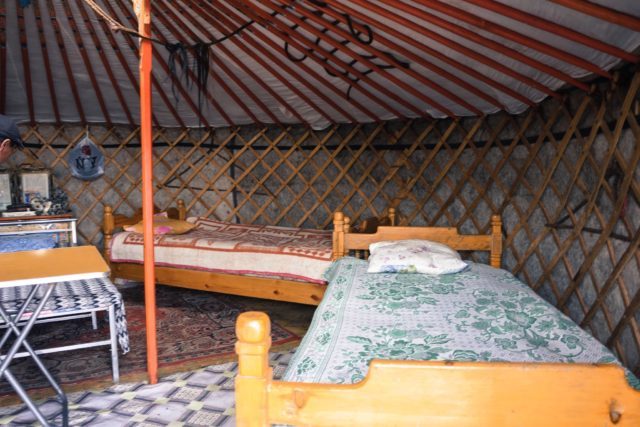
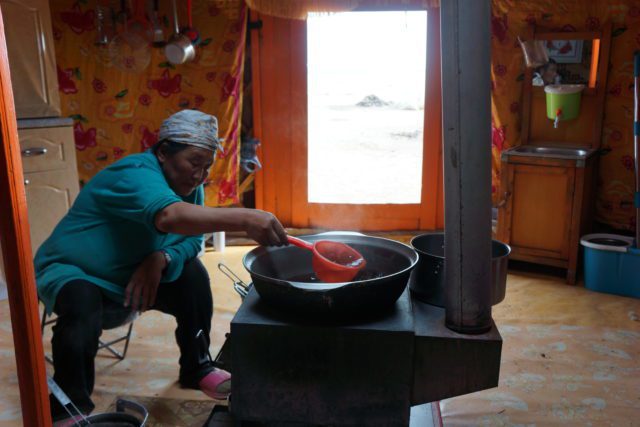
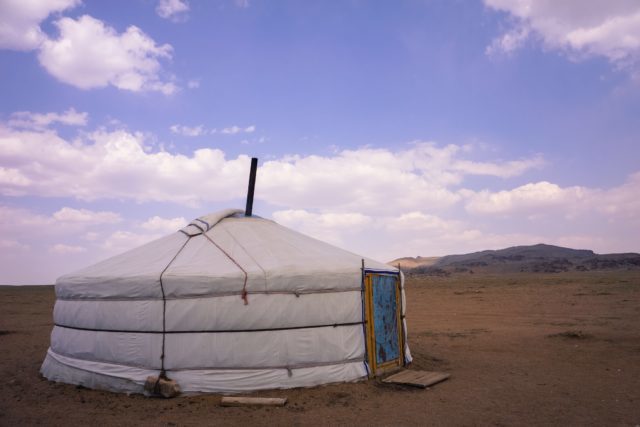
この日、モンゴル伝統の住居「ゲル」に宿泊し、ノマドな人々の生活を垣間見ることが出来た。
 

 旅程概要

1日目. Baga Gaziin Chuluu (small rocky formations)
2日目. Bayanzag (unique shaped trees and small flaming cliffs)
3日目. Khongoryn Els (Sand Dune)
4日目. Yol valley canyon
5日目. Dundgobi province
6日目. White Stupa and the way back to UB


旅の手配をしてくれたKhongor expeditionのレビューはこちら

No Comments

Leave a Comment

CAPTCHA


このサイトはスパムを低減するために Akismet を使っています。コメントデータの処理方法の詳細はこちらをご覧ください

PRECIOUS TIME IN MONGOLIAN GOBI DESERT (DAY 1)

May isn’t usually considered the best season for tourism — especially in Mongolia. But in the spring of 2017, I had enough time and a strong desire to explore the legendary Gobi Desert, so I decided to visit Mongolia despite the unpredictable weather.

Spring had just begun, and the temperatures were gradually rising. As Mongolians often say, “Spring weather is as changeable as a woman’s heart.” One moment it’s warm, the next it’s snowing. In fact, during my stay, the weather forecast in the capital city, Ulaanbaatar (UB), reported both sunshine with temperatures above 20°C and snow on the same day.

Before the trip, I knew very little about Mongolia — just Genghis Khan and the Gobi Desert, nothing more. So I reached out to some friends who had been there before, and almost all of them strongly recommended a visit to the Gobi Desert if I had the chance.

Although it was still the low season for tourism, I was lucky to discover a tour operator called Khongor Expedition, which offered a multi-day Gobi Desert tour. Thanks to my friends’ advice, I had no hesitation in signing up. I registered for their 6-day, 5-night tour, and set out on what would become an unforgettable adventure.

This is the story of my journey through the vast and beautiful Gobi Desert. Let’s Go!!


April 30, 2017/ Sunny

At 9:00, we set off for our first stop, Baga Gazariin Chuluu. It is located in the Middle Gobi Province, about 250 kilometers (155 miles) from Ulaanbaatar (UB). However, this place is not technically part of the Gobi Desert, but rather a countryside area. The actual Gobi Desert lies much farther from UB — over 600 kilometers away. Therefore, it’s impossible to reach the desert in just one day; we have to travel there step by step.

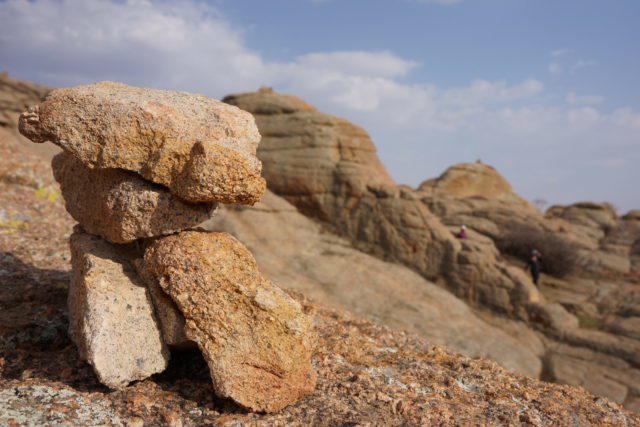
As I mentioned earlier, Baga Gazariin Chuluu is not within the Gobi Desert. However, for tourists, it can be difficult to tell whether this place is part of the desert or not. This is because the term “Gobi” doesn’t refer solely to sandy dunes, but also to areas of bare rock. Currently, we are standing before a vast granite rock formation called Baga Gazariin Chuluu, which means “small rock formation.” This site is considered sacred, and local people hold it in reverence, often worshiping there.

A few monks once lived and meditated here, leaving behind rock paintings that date back to the 17th century. The surfaces of the rocks are flat and smooth because erosion has polished away their roughness. Around Baga Gazariin Chuluu, archaeologists have discovered 64 tombs and tumuli attributed to the Khugnu tribe.

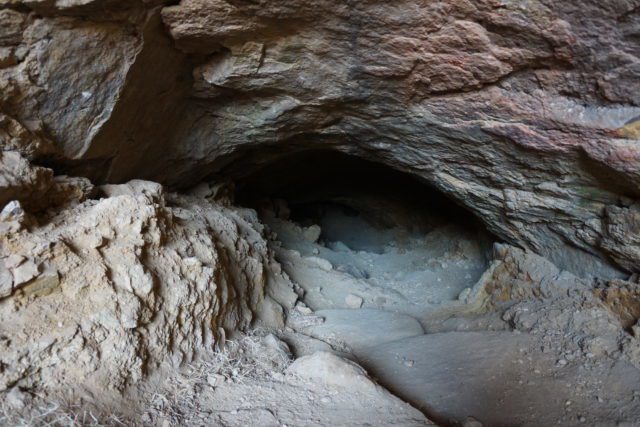
We also visited an eye treatment spa called Nudnii Rashaan (N46°12.253′, E106°01.142′) and the ancient Buddhist temple Tsorge Lamin Khiid, both hidden in this area. Unfortunately, the spring whose water is said to treat ocular illnesses had run dry, so we couldn’t obtain the holy water. However, we enjoyed exploring the cave at Baga Gazariin, where it is said that more than 20 kinds of medicinal herbs grow.

We stayed in a ger, a traditional Mongolian dwelling, and experienced nomadic life firsthand.

 ITINERARY SUMMARY

Day 1. Baga Gaziin Chuluu (small rocky formations)

Day 2. Bayanzag (unique shaped trees and small flaming cliffs)

Day 3. Khongoryn Els (Sand Dune)

Day 4. Yol valley canyon

Day 5. Dundgobi province

Day 6. White Stupa and the way back to UB

No Comments

Leave a Comment

このサイトはスパムを低減するために Akismet を使っています。コメントデータの処理方法の詳細はこちらをご覧ください

error: Content is protected !!